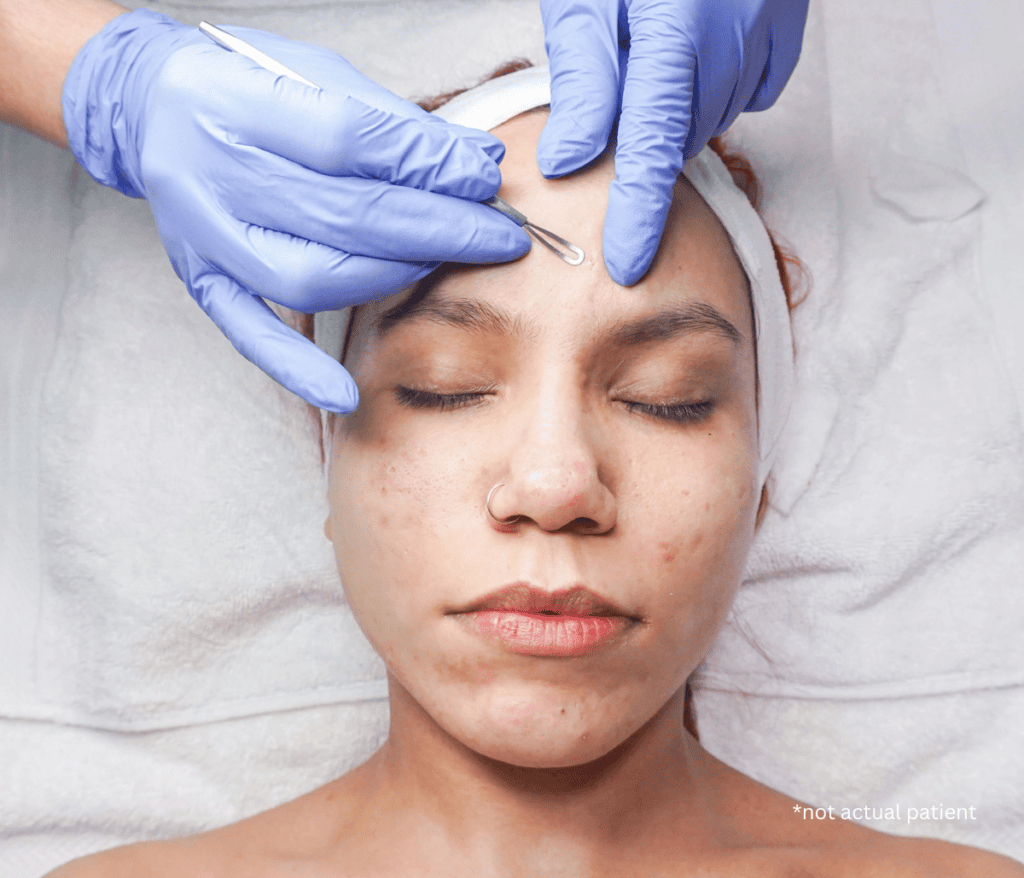
What Is a Dermatologist Looking for During a Skin Exam?
When you think about a skin exam, you might picture your dermatologist checking a few moles and sending you on your way. But a skin exam can involve much more than that.
August is Psoriasis Awareness Month. Learn more about how a psoriasis doctor in Fairfax, VA can help with diagnosis and personalized treatment plan.
If you’ve been dealing with itchy, irritated skin, you may be wondering what’s causing it. A quick internet search can leave you with more questions than answers, especially since eczema and psoriasis can look so similar. While these two conditions share some symptoms, they’re actually quite different. Getting the right diagnosis is important because each one requires a different treatment approach. If you’re looking for eczema treatment in Fairfax, VA, here’s what you should know. What Is Eczema? Eczema, also known as atopic dermatitis, is a common skin condition that causes dry, itchy, and inflamed skin. Flare-ups often come and go and may be triggered by stress, weather changes, allergens, or certain soaps and skin care products. One of eczema’s most noticeable symptoms is intense itching. Scratching can make the skin even more irritated, leading to redness, cracking, and discomfort. Eczema commonly appears on the hands, face, neck, inside the elbows, and behind the knees. How Is Psoriasis Different? Psoriasis is an autoimmune condition that causes skin cells to build up more quickly than normal. Instead of shedding naturally, the extra skin cells form thick, raised patches that are often covered with silvery scales. Psoriasis is most often found on the elbows, knees, scalp, and lower back. While it can be itchy, many people describe it as feeling sore, tight, or even painful. Can You Tell the Difference Yourself? Because eczema and psoriasis can look alike, it’s not always easy to tell which one you have just by looking at your skin. In general, eczema tends to cause softer, red patches with intense itching, while psoriasis usually creates thicker, well-defined patches with noticeable scaling. Even so, there’s enough overlap that self-diagnosing can be difficult. If your symptoms aren’t improving or keep coming back, it’s a good idea to see a dermatologist. An accurate diagnosis is the first step toward finding a treatment that actually works. Eczema Treatment in Fairfax, VA Living with a chronic skin condition can be frustrating, but you don’t have to figure it out on your own. At ACS Dermatology, our board-certified dermatologists diagnose and treat eczema, psoriasis, and many other skin conditions. We’ll take the time to understand your symptoms, identify the cause, and recommend a personalized treatment plan that’s right for you. If you’re looking for eczema treatment in Fairfax, VA, schedule an appointment with ACS Dermatology. We’re here to help you find relief and get your skin feeling healthy again.
A teenage dermatologist in Fairfax, VA can help your teen with troublesome skin and provide skincare recommendations for healthy skin. Start developing healthy habits early!
Discovering a lump under your skin can be unsettling. The good news is that many of these lumps turn out to be harmless.
We’re in the final countdown to summer. Vacations are being finalized, kids’ camps are being booked, and hopefully you’re stocking up on sunscreen.
Melasma is characterized by dark patches of skin. Although this skin condition is common and harmless, you may be looking for melasma treatment in Fairfax, VA.
Looking for a scalp doctor in fairfax, VA? Learn common causes of itchy scalp and how ACS Dermatology diagnoses and treats scalp conditions effectively.
Dark spots and uneven skin tone can be stubborn. If you’re looking for the best skin pigmentation treatments in Fairfax, VA, it helps to understand what’s happening beneath the surface of your skin.
Unexplained hair loss can be caused by a variety of factors. See a hair loss doctor in northern Virginia for diagnosis and treatment.